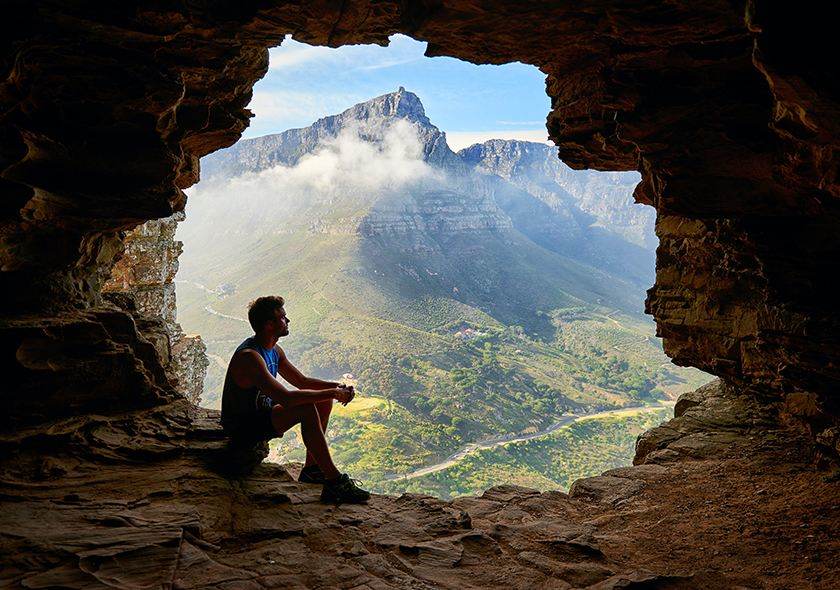
Peru’s postcard landmarks may steal the spotlight, but its true soul lives far from the crowds. While many visitors queue for Machu Picchu or stroll Lima’s colonial centre, others are venturing deeper, guided by curiosity and a desire for connection. From the misty highlands of the north to the salt flats of the Sacred Valley and the reed boats of the coast, each corner holds stories untouched by mass tourism.
Northern Peru: Ancient Fortresses and Jungle Legends
In the mountainous north, history waits without the lines. Kuelap, dubbed the Machu Picchu of the North, is a massive stone fortress built by the Chachapoya at 3,000 metres above sea level. Its intricate stonework and cloud forest surroundings offer a majestic yet tranquil alternative to the more crowded southern circuit.
Nearby, the Gocta Waterfall crashes 771 metres through the jungle, once hidden from the world until the early 2000s. Legends speak of mermaids guarding golden treasure at its base. Even today, it remains rarely visited.
Hidden gems like Revash’s cliff tombs and Karajía’s sarcophagi hint at the region’s depth. Multi-day trips here also reach Bosque de Pomac, where ancient pyramids rise among carob forests. Along the way, travellers meet Chachapoya descendants, join ancestral farming, or explore artisan workshops keeping pre-Inca ceramics alive, learning more about Chachapoyas culture adds a richer perspective to the northern Peru experience. Nature and culture blend effortlessly across these northern routes.
Sacred Valley: Quiet Trails and Living Traditions
Even within well-trodden regions like the Sacred Valley, there are corners tourists often miss. Moray’s circular terraces, an ancient Inca agricultural lab, reveal how the civilisation mastered microclimates to grow diverse crops.
Close by, the pink-hued salt pans of Maras glisten in the sun. Harvested by hand for generations, these pools form a living mosaic of tradition and resourcefulness.
For those willing to wander, lesser-known trails link isolated communities across the mountains. These quiet paths reveal dramatic landscapes without the crowds. Meanwhile, village markets in Calca or Urubamba offer an authentic glimpse into local rhythms far from the polished stalls of Pisac.
Travellers who stay longer in the Sacred Valley can join agritourism initiatives that support sustainability, helping with seasonal harvests, learning ancestral planting techniques, or cooking alongside local families. These hands-on experiences transform the valley from a scenic stop into a lasting cultural memory. With the right planning, even first-time travellers can access the country’s lesser-known sites through curated Peru vacation packages designed to go off the beaten path.
Festivals in small towns throughout the valley add bursts of colour and meaning to any visit. Whether it’s a local saint’s day with parades and traditional music, or a harvest celebration with dancers in embroidered masks, these events offer a raw and joyful look into Andean life.
Coastal Peru: Reed Boats, Geoglyphs, and Red Beaches

While the Andes attract most attention, Peru’s coastline hides stunning destinations. Northern beaches like Máncora and Punta Sal offer golden sand and warm waters, perfect for surfers and slow-paced explorers.
Further south, the Paracas National Reserve blends desert with ocean. Red sand beaches, steep cliffs, and rare wildlife, including Humboldt penguins, paint a surreal landscape. Nearby, the Candelabra geoglyph etched into a hillside continues to puzzle archaeologists.
In Huanchaco, fishermen still glide over waves in caballitos de totora, reed boats crafted using ancient techniques. Inland, the Ica Valley hosts Huacachina’s desert oasis and Peru’s growing wine and pisco scene, where family vineyards offer tastings rooted in tradition.
Food is a highlight along the coast, with each region offering its own spin on classic Peruvian flavours. From ceviche made with freshly caught sole to duck stews slow-cooked in clay ovens, coastal cuisine reflects a blend of Afro-Peruvian, Spanish, and Indigenous traditions still alive in family kitchens.
Along the central coast, smaller towns like Lunahuaná offer a mix of adventure and tradition. Here, visitors can go white-water rafting on the Cañete River, tour historic wine cellars, or hike to pre-Columbian petroglyphs carved into canyon walls. These spots rarely make it into guidebooks but offer a rewarding blend of thrill and heritage.
Smart Travel Tips for Off-the-Beaten-Path
TPeru Timing matters: May to September brings dry skies ideal for exploring the north and highlands. Travel often means mixing local buses with private transfers or flights to cover long distances. Roads to places like Kuelap have improved, but flexibility remains key.
Language helps: Spanish opens doors in rural areas. While some guides speak English near major sites, knowing basic phrases goes a long way in smaller communities. Many Peru vacation packages include bilingual guides who bridge cultural and linguistic gaps.
For accommodation and logistics, local lodges and eco-guest houses offer comfort and direct access to nature. Booking platforms are useful for research, but contacting hosts via WhatsApp often secures better deals and insights. Regardless of location, preparation is key: confirm weather, choose reliable guides, and carry necessary IDs or permits.
Finding Peru’s Quiet Wonder The real Peru doesn’t need a spotlight, it reveals itself slowly, in kindness, colour, and quiet moments. Whether you’re wandering through cloud forest ruins or learning to weave in a mountain village, stepping off the tourist trail unlocks a deeper kind of travel. With intention and openness, the hidden gems of Peru become unforgettable parts of your story.